



The History of GMC
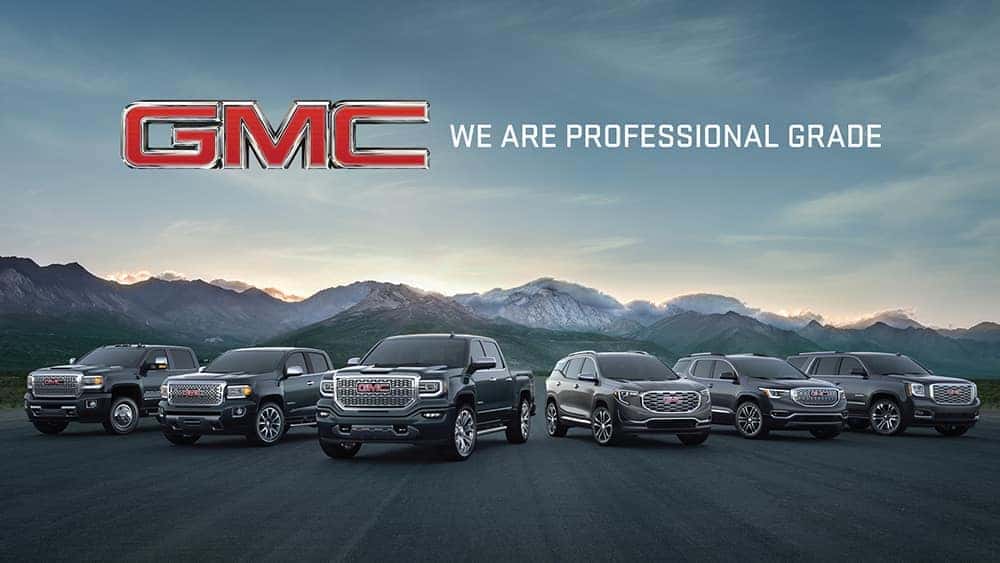
General Motors Company (GMC) is a division of the General Motors Corporation that specializes in the production of trucks, SUVs, and commercial vehicles. Established in 1901, the GMC brand has a rich history spanning over a century, with numerous milestones and accomplishments that have helped to shape the modern automotive industry.
Early Years
GMC’s origins can be traced back to 1901, when the Rapid Motor Vehicle Company was founded in Pontiac, Michigan. The company specialized in the production of commercial vehicles, including trucks, buses, and ambulances. In 1909, Rapid merged with the Reliance Motor Car Company to form the General Motors Truck Company (GMT). The new company continued to produce commercial vehicles, but also began to produce light-duty trucks and chassis.
In 1912, the GMC brand was officially established, with the first truck rolling off the assembly line in Pontiac. GMC quickly gained a reputation for producing durable and reliable trucks, and in 1916, the company introduced its first commercial vehicle with a V8 engine.
Throughout the 1920s and 1930s, GMC continued to innovate and expand its product line. In 1925, the company introduced the first factory-built truck with an enclosed cab, and in 1937, it introduced the first mass-produced diesel engine for commercial vehicles.
Military and Post-War Years
During World War II, GMC played a crucial role in the war effort by producing a variety of military vehicles, including trucks, tanks, and amphibious vehicles. The company’s expertise in producing rugged and reliable vehicles helped to make it a valuable partner for the military.
After the war, GMC shifted its focus back to producing commercial vehicles, including trucks and buses. The company also introduced a range of new features and technologies, such as hydraulic brakes and automatic transmissions.
In the 1950s, GMC introduced its first pickup truck, the GMC Suburban Carrier, which was later renamed the GMC Suburban. The Suburban was a popular choice among farmers and contractors, thanks to its rugged construction and versatile design.
1960s and 1970s
In the 1960s, GMC introduced several new models, including the Jimmy SUV and the Sprint car-based pickup truck. The company also began to focus more on the consumer market, with the introduction of the luxurious GMC Sierra Grande pickup truck.
In the 1970s, GMC introduced several new models that would go on to become iconic vehicles, including the GMC Vandura van, the GMC Motorhome, and the GMC Caballero pickup truck. The Vandura van, which was made famous by the television show The A-Team, became a cultural icon, while the Caballero helped to pioneer the car-based pickup truck segment.
Modern Era
In the 1980s, GMC began to shift its focus back to the commercial market, with the introduction of a range of new models designed for heavy-duty applications. The company also continued to innovate and introduce new technologies, such as the Four-Wheel Steer system, which allowed the rear wheels to turn in the opposite direction of the front wheels to improve handling and stability.
In the 1990s and 2000s, GMC continued to expand its product line, with the introduction of several new models, including the Yukon SUV, the Sierra pickup truck, and the Envoy SUV. The company also continued to innovate and introduce new technologies, such as the StabiliTrak electronic stability control system and the OnStar telematics system.
In recent years, GMC has continued to focus on the commercial and heavy-duty market, with the introduction of several new models, including the Sierra HD pickup truck, the Savana cargo van, and the TopKick medium-duty truck. The company has also introduced a range of new technologies and features, such as the ProGrade Trailering System, which provides advanced connectivity and trailer control features for improved towing performance.
Today, GMC is known for producing durable, reliable, and versatile vehicles that are built to handle a wide range of commercial and consumer applications. The company’s product line includes a range of trucks, SUVs, and commercial vehicles, with models that are designed for both heavy-duty work and everyday use.
GMC has also become known for its commitment to innovation and sustainability, with a focus on developing advanced technologies and alternative fuel options that can help to reduce emissions and improve fuel efficiency. The company’s lineup of hybrid and electric vehicles, including the GMC Hummer EV and the GMC Sierra Hybrid, represent some of the most advanced and environmentally friendly vehicles on the market today.
Throughout its history, GMC has remained committed to providing customers with high-quality, reliable vehicles that are designed to meet their needs and exceed their expectations. Whether you’re in the market for a heavy-duty truck for work, a versatile SUV for everyday use, or a commercial vehicle for your business, GMC has a wide range of options to choose from.
In addition to its focus on innovation and sustainability, GMC has also established a reputation for excellence in customer service and support. The company’s extensive network of dealers and service centers ensures that customers have access to the support they need, whenever they need it.
Overall, GMC’s rich history and commitment to quality and innovation have helped to make it one of the most respected and successful brands in the automotive industry. As the company continues to evolve and adapt to changing market trends and customer needs, it is sure to remain a major force in the industry for many years to come.
0 comment(s) so far on The History of GMC